
CRAFTSMANSHIP
Our garments are unique pieces, crafted in collaboration with some of the most important international haute couture brands.
Care, attention to detail, and design research are the elements that set the CIONI world apart from many others.
EDESTINED FOR
THE SENSE
OF BEAUTY
OF STYLE
OF CREATIVITY
Starting from materials that naturally differ from one another, the first step is to assort the pelts so that their color, hair length, and size are compatible for proper assembly.
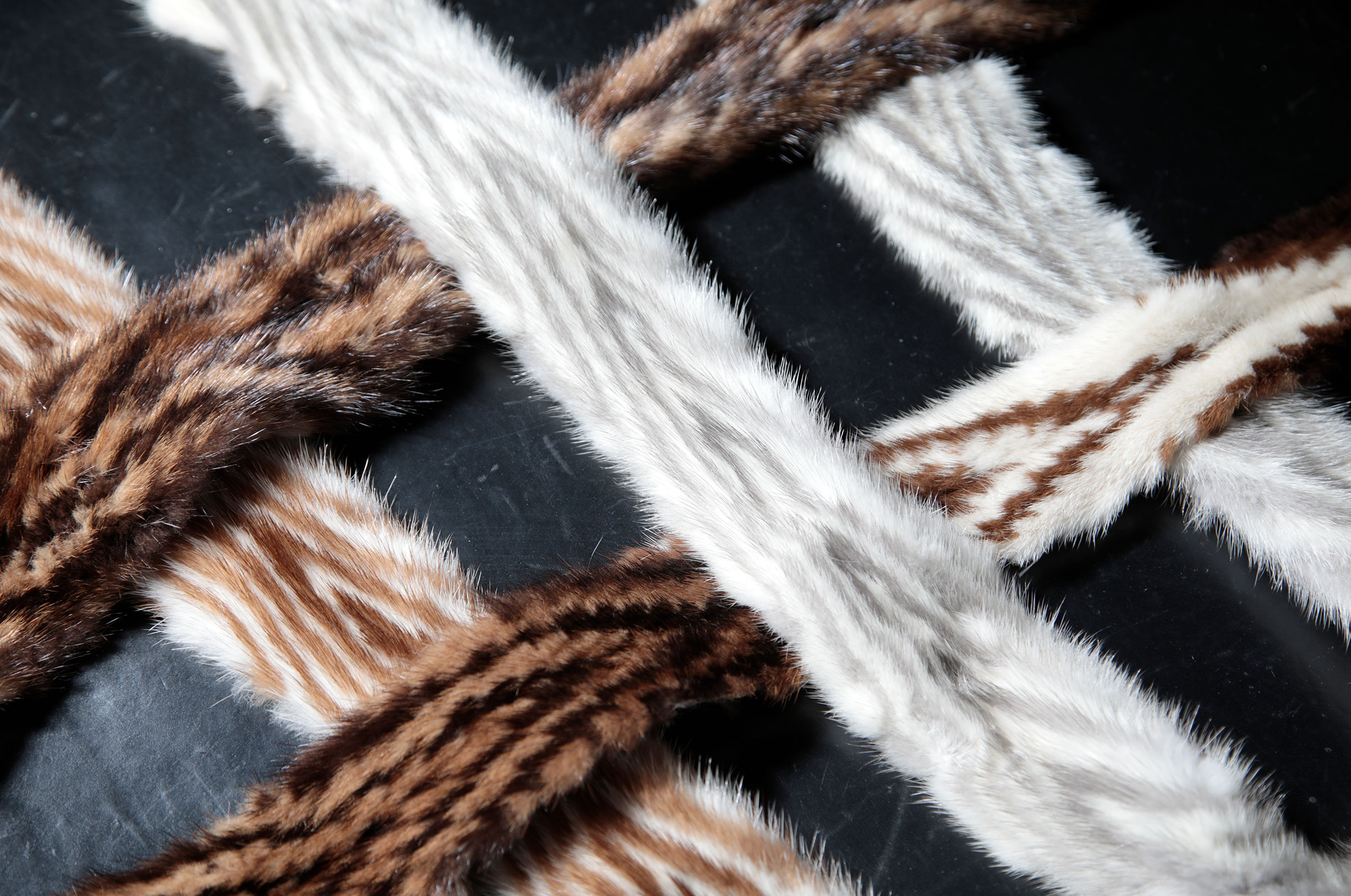
Then the pelts must be inspected to ensure they are intact, and any defects are removed through specialized repair techniques.
At that point, we proceed with the various designs and processes, which change according to the geometry of the pattern and any motifs, inlays, or decorative elements requested by fashion trends or by our clients.
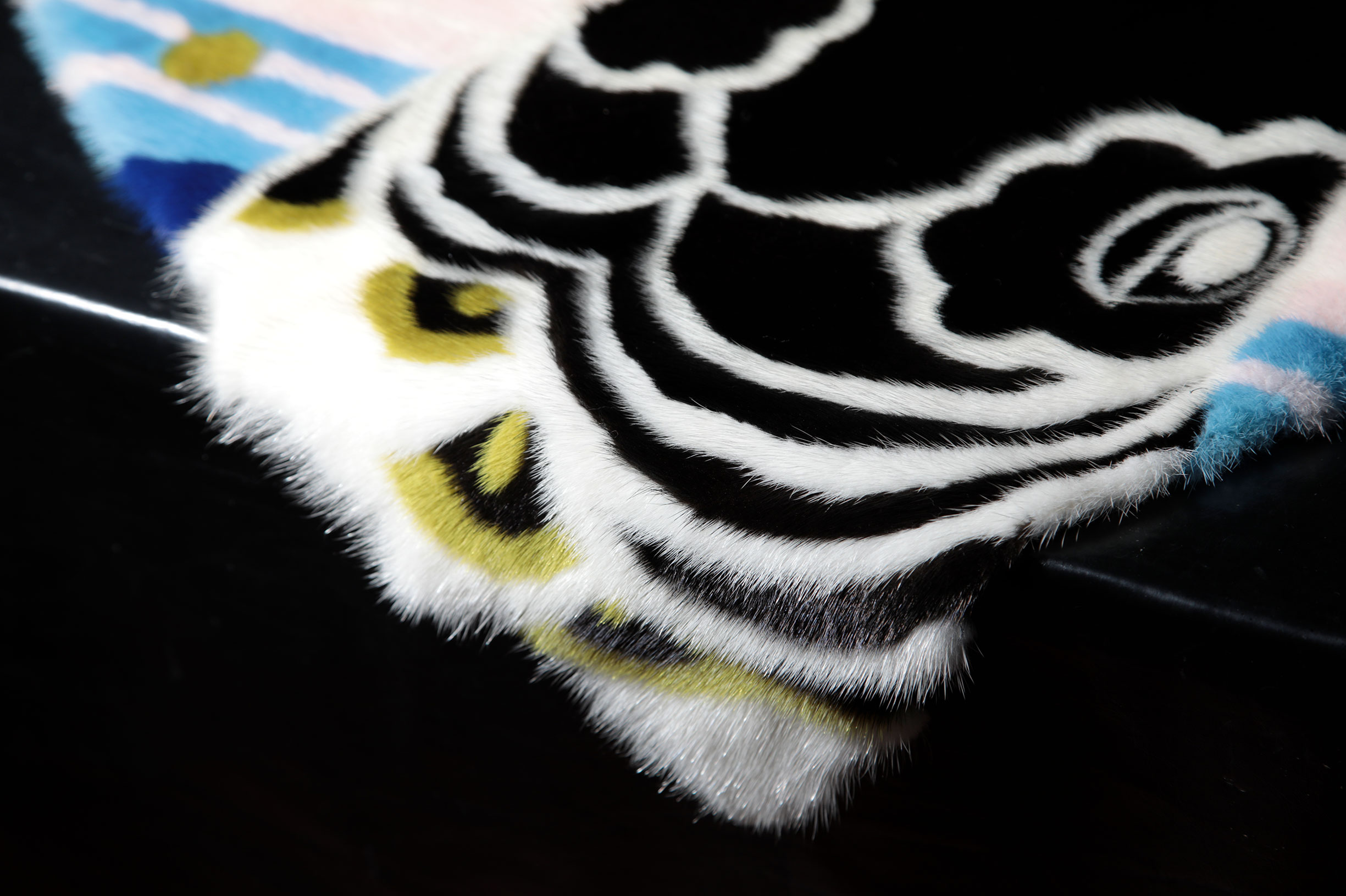
The pelts are stretched on special boards and softened through specific treatments and products that make modern furs far lighter and softer than those of the past.
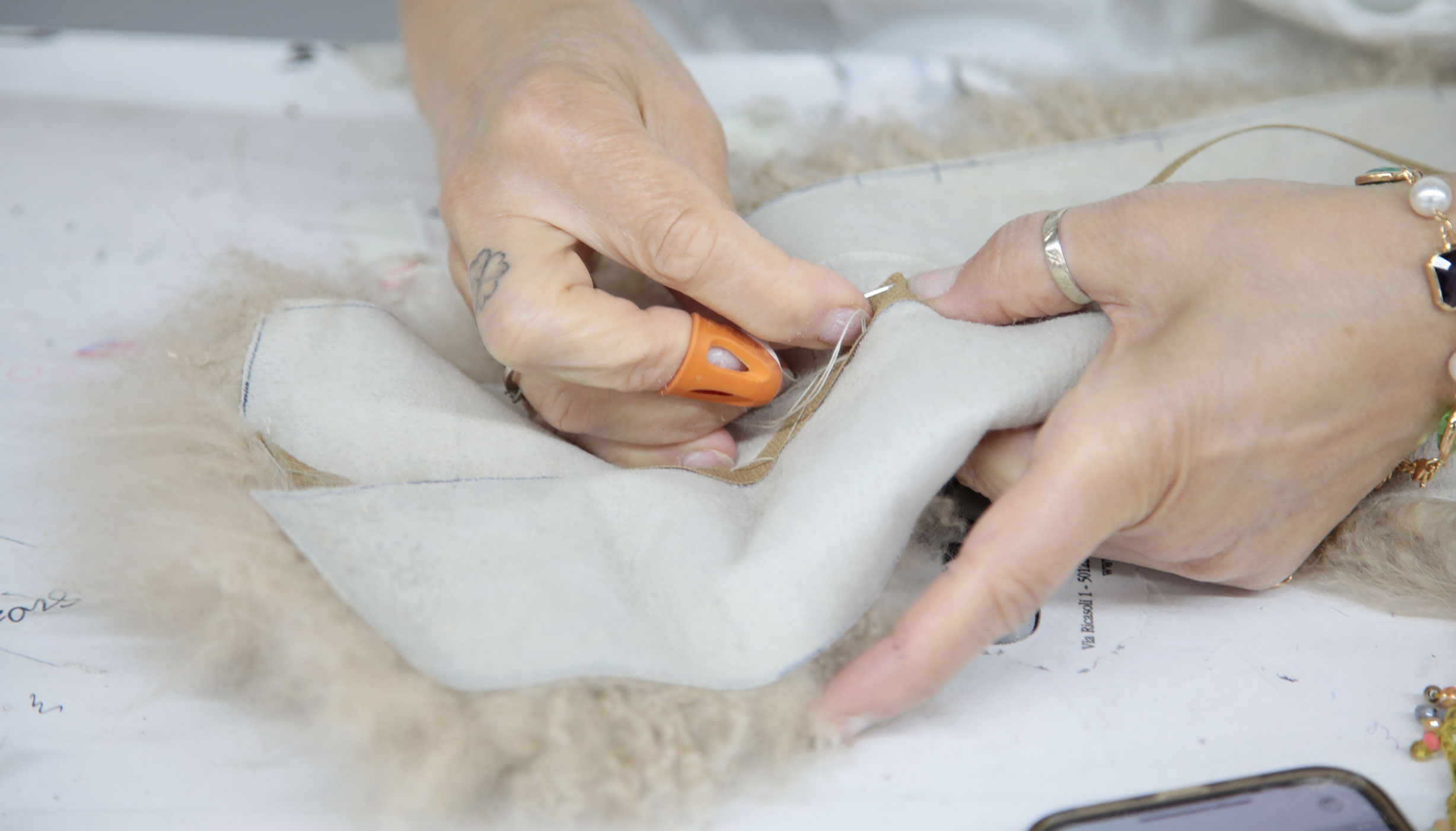
Once the preliminary shape of the garment is removed from the board, the cutter trims it using a special knife with an extremely sharp blade. The next step is refining the edges, applying hand-sewn tapes and canapino reinforcements on delicate areas such as collars and fronts. The seamstresses then assemble the garment and send it to be cleaned in drums, the traditional machinery used in the tanning industry.
After this stage, a dedicated machine straightens the fur, eliminating the irregularities that may have formed during processing. Finally, assemblers and lining specialists complete the garment with pockets, closures, and lightweight linings designed not to weigh down the structure.
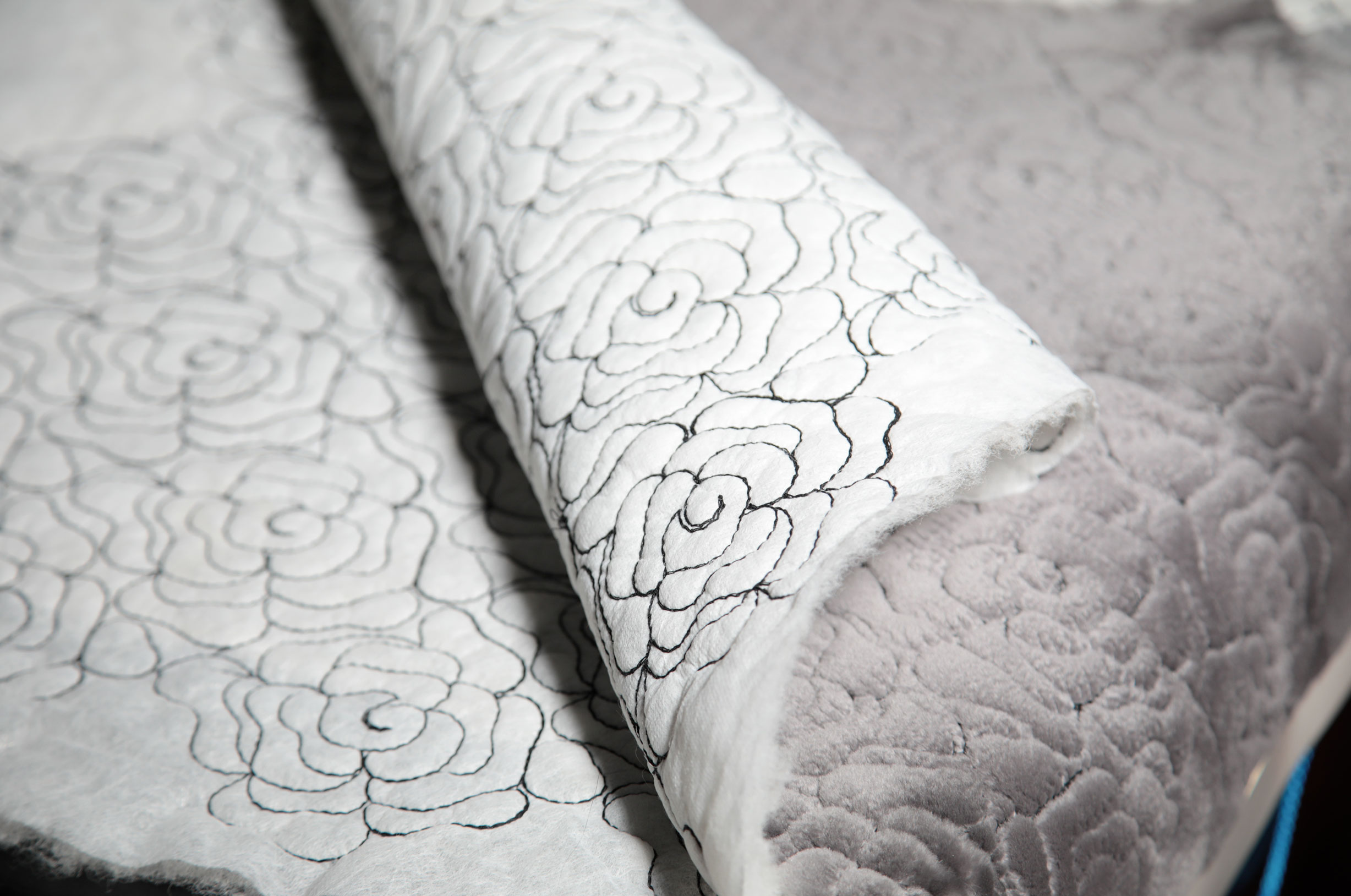
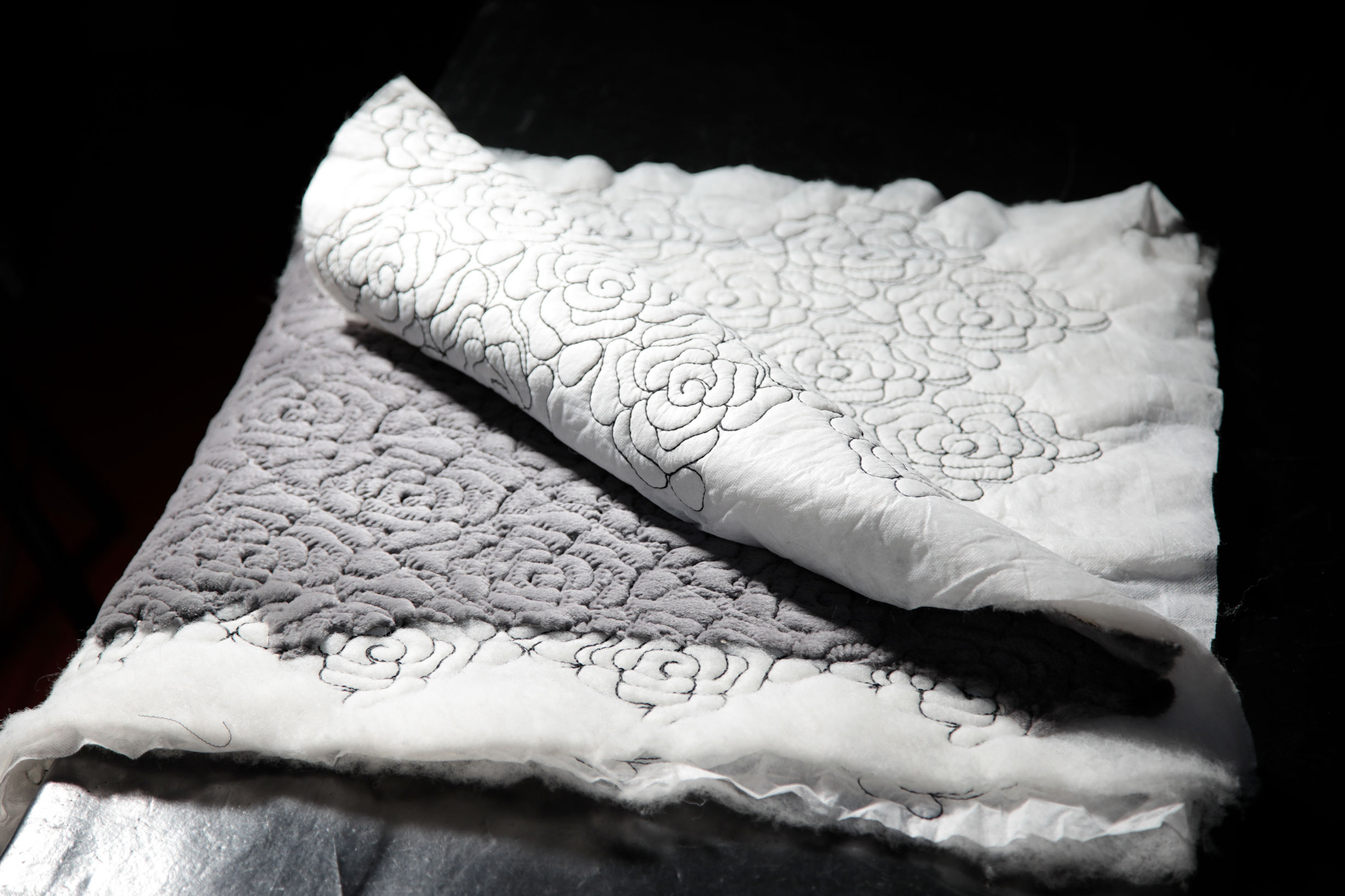
This is the traditional method used to craft a fur garment. Today, however, to follow the evolution of fashion, special techniques have been added—techniques that allow the creation of geometric or floral designs through inlay work, or garments made by alternating strips of fur with silk or organza, resulting in extremely lightweight pieces. In recent years, alongside furs sourced from certified farms, so-called edible furs—obtained from animals also intended for food consumption—have become more widespread. These pelts, often characterized by a thicker leather, require specific technical solutions and specialized craftsmanship to achieve the same softness and lightness as more traditional garments.
Today, craftsmanship and creativity know no limits.
What distinguishes a “Cioni fur” is the love and passion infused into every garment. Speed, meticulous attention to detail, and a high level of customization are the strengths of these creations, crafted exclusively with the artisanal skill and handcrafting tradition that define Italian excellence.
PELLICCERIA CIONI MEANS AVANT-GARDE